In Search of Giants 2026: Into the Wild Waters of the Continental Shelf
In Search of Giants
22 August – 1 September 2026
With a favourable weather forecast, we set off from Oban in high spirits, with the plan of heading as far west as the weather would allow: in search of giants. Our goal was to explore the former whaling grounds to the west of St. Kilda, to see what species of great whales once caught there between 1904 and 1951 still occur there. The timing and search area of the expedition was fine-tuned based on historical whaling research recently published by myself and colleagues the Scottish Association of Marine Science.
The first giant of the trip was a basking shark, cruising at the surface west of Coll. That evening, we anchored at Vatersay, where we walked to three beaches, spotting a variety of jellies (compass, lion’s mane, blue and crystal jellies) as well as otter signs and a dead dolphin (probably bottlenose). The air was full of bird calls, most notably the golden plover which dotted the machair. The wildflowers were out in force, thriving on the shell-sand soil.
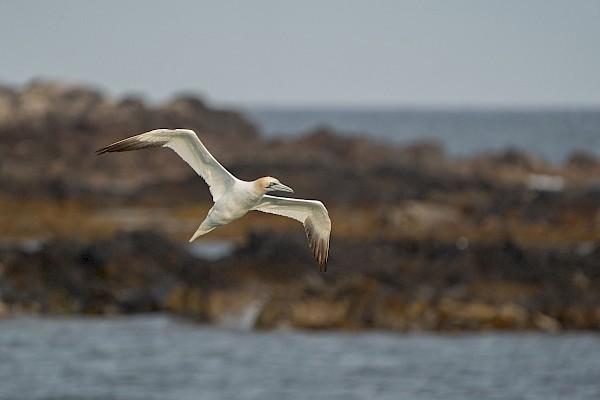
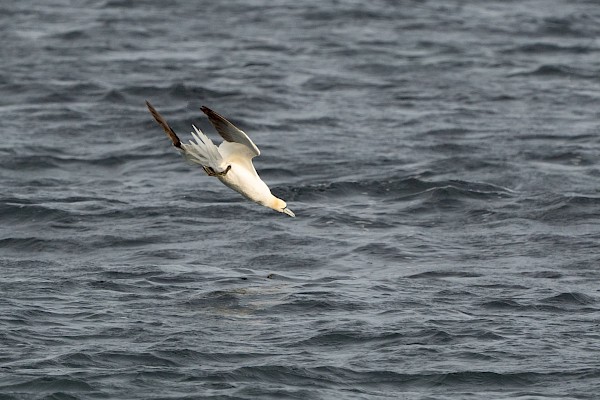
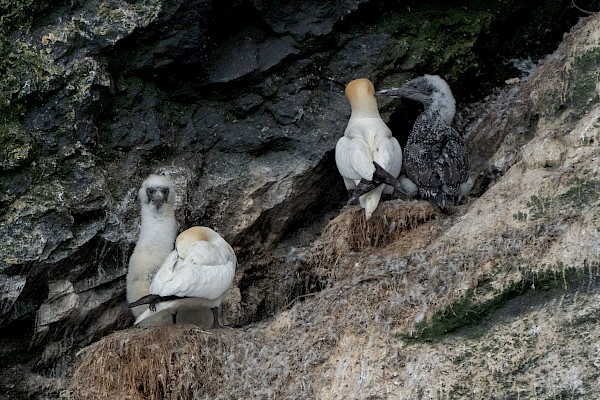
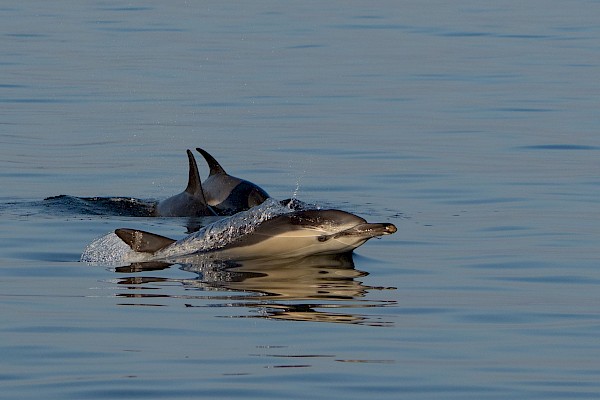
The Monach Isles were our next stop. We found a small pod of bottlenose dolphins en route, or rather, they found us: trailing our wake off South Uist. Against the backdrop of a stunning red-brick lighthouse and a crowd of curious grey seals, we explored the stunning white-sand shores. To the haunting singing of grey seals, sunset gave a brief green flash! All evening long, the gannets dived next to Elizabeth G – truly one of nature’s greatest spectacles.
Pushing further west, we pulled into St. Kilda. With a warm welcome from (and a cold swim with) the ranger Vivi, we explored the island of Hirta. Some braved the hill of Conachair while others walked to The Gap or explored the village – a key feature earning St. Kilda its UNESCO World Heritage status. We had sunny skies and incredibly clear views out to sea.
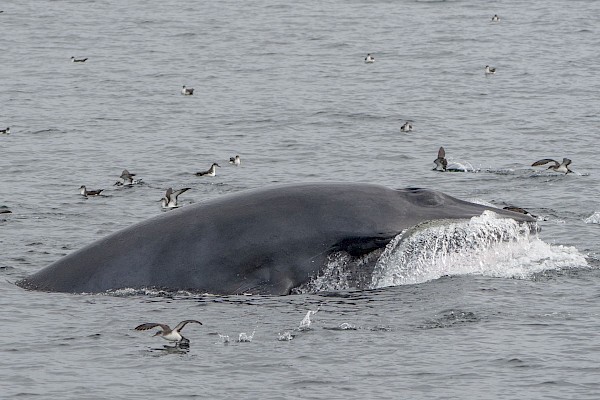
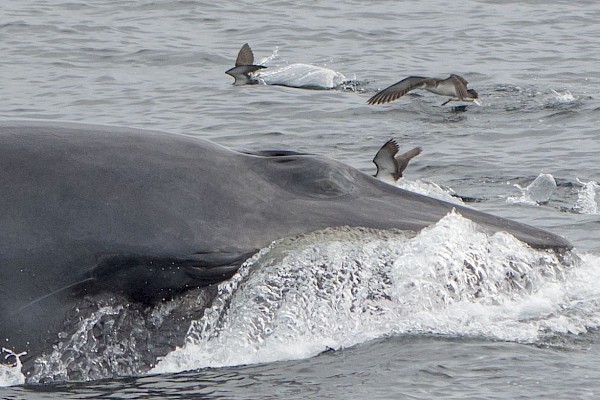
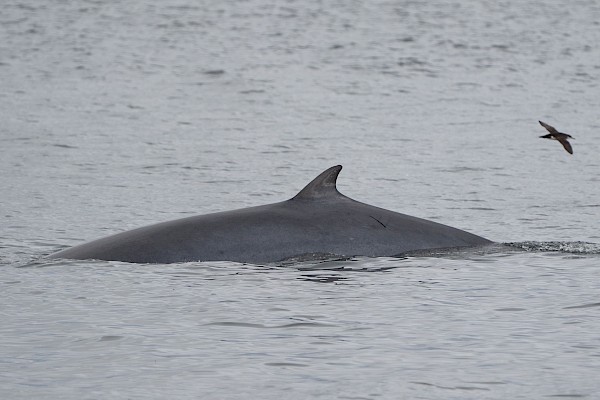
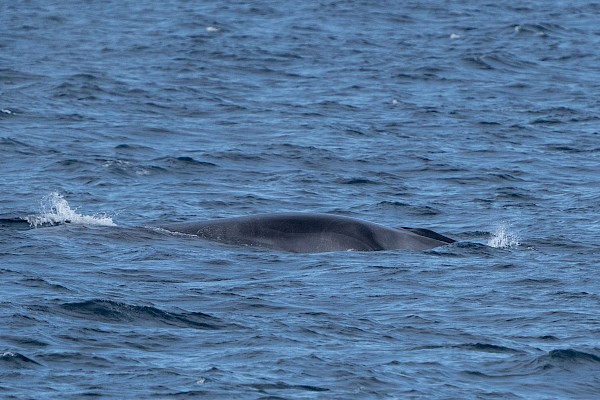
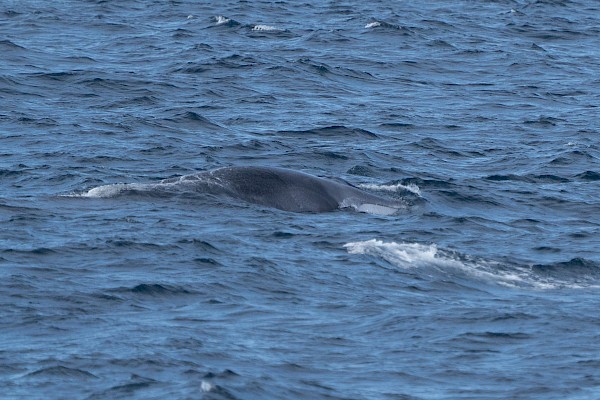
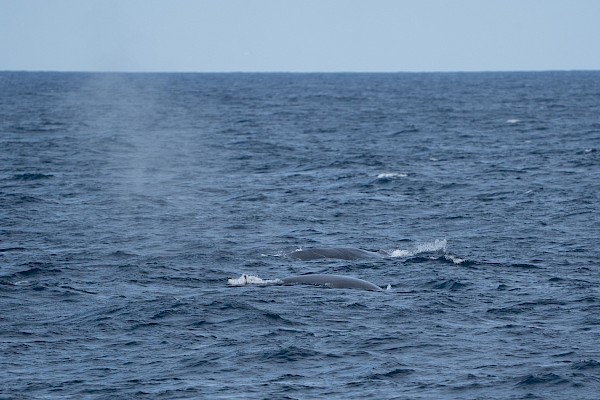
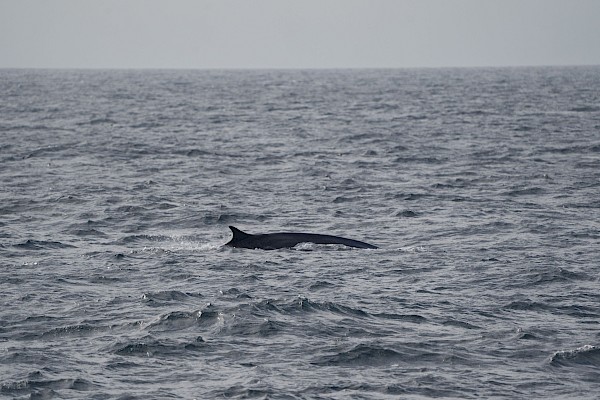
Rounding the island of Dun the following morning, we headed further west still: to the edge of the continental shelf. Here, the depth rapidly increases from 200m to 1000m and beyond. It was between these depth ranges that we searched, as the whalers once did, for whales. We used our directional hydrophone to listen for sperm whales, but we did not hear them this time. After some 20 miles of searching at the shelf edge, guide and crew member Dan shouted ‘Blow!’. It was a mother and calf fin whale, and they were very obliging.
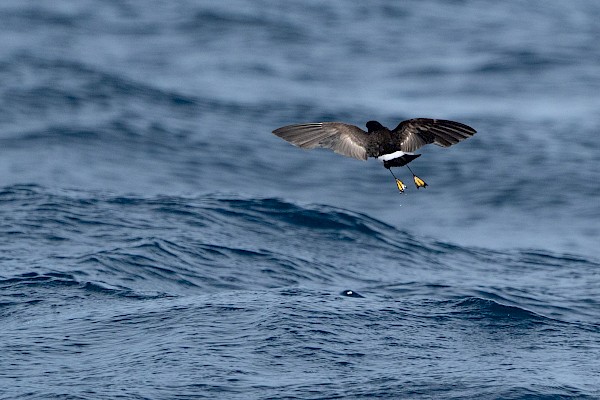
As we drifted with them, we saw three Wilson’s storm petrels pattering in the flukeprints of the whales – their wings a bit tatty from moulting. Soon, they will fly south to Antarctica where they nest in freezing rocky crevices. The fin whales were circling a one-mile area, possibly killing time and awaiting the nightly vertical migration of krill, which whalers noted was their favourite prey here. The mother was enormous – easily 20m in length, showing ‘knuckles’ along her spine as she rolled (and rolled, and rolled…) her long back.
The calf was some 10-11m long: the world’s second biggest baby! Probably about 9 months old and born in a location that is still unknown to science, it will soon be independent. But for now, this calf was tucked next to its mother’s side. It was very heartening to see a mother take her calf to this former whaling ground. During our trip, news broke that unfortunately Iceland voted against reopening negotiations on joining the EU. With that, the chances of the law on whaling there is unlikely to change soon. And so, these very whales still risk dying to the harpoon if they wander too far north and west.
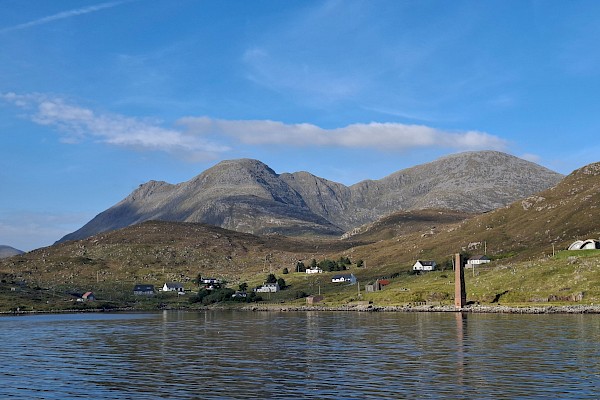
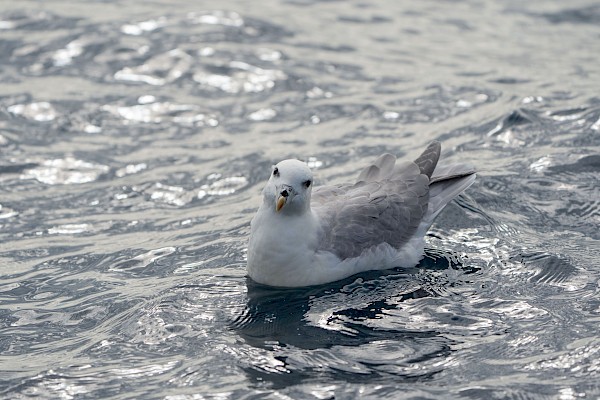
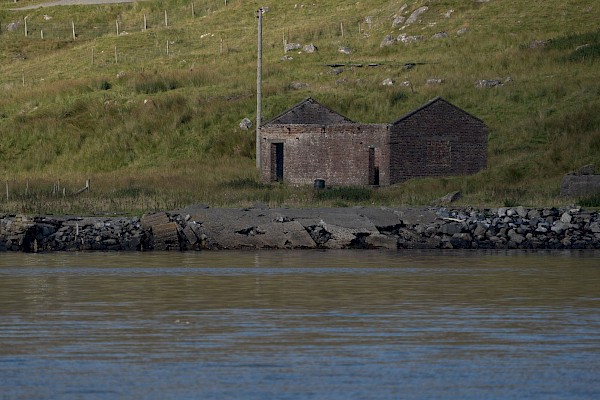
That evening, we watched the setting sun cast a pink glow on the west side of St. Kilda and Soay as we worked our way east again. The fulmars, sooty shearwaters, great shearwaters, Manx shearwaters and gannets all illuminated as they wheeled around us in light wind. Such a rare opportunity to approach St. Kilda from the west! En route to The Minch, we anchored in front of the ruined whaling station at Bunavoneader, Isle of Harris. The chimney stack still stands and the flensing plan (where whales were butchered) and slipway are all still visible. We found the bones of a sperm whale neaerby. It was a poignant reminder that the waters we searched were once much more abundant with whales, before we converted them to margarine, soap and dogfood as recently as the 1970s.
Elizabeth G was once a rescue boat in Shetland and the Outer Hebrides in service of the large Norwegian fleet which caught herring, minke whales and killer whales from our coastal waters until 1986. So it seems quite fitting that we conducted our whaling ground research expedition on this vessel. A sign that things have (almost) come full circle.
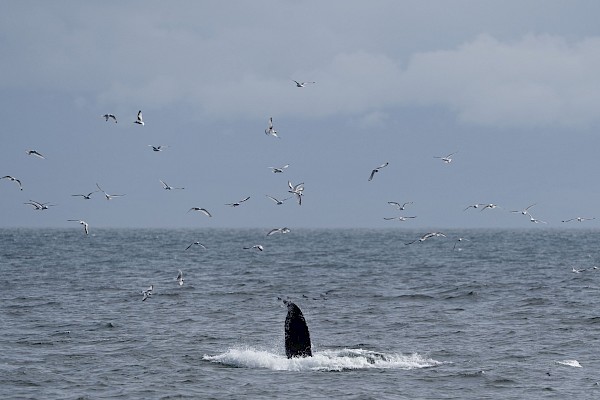
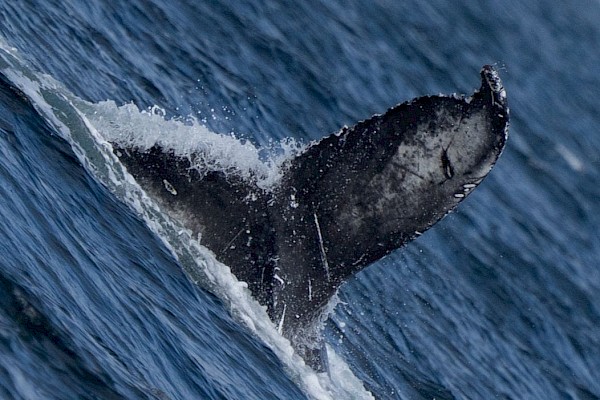
Stopping for a hike at Scalpay; gin and tweed at Tarbert; and viewing ancient Pictish stone carvings at Raasay, we also found two humpback whales en route in the Minch, among lunge-feeding minke whales. Our final giants of the trip was a jaw-dropping aggregation of 20 to 30 minke whales that we saw dramatically lunge-feeding on shoals of fish, with the help of shearwaters and auks, off Isle of Eigg. After a week of settled and sunny weather, it finally broke as we headed through Kylerhea and down the Sound of Mull, with leaden skies and downpours making for stunning landscape photography opportunities.
Dr Conor Ryan
Images - Dr Conor Ryan